Odoo ERP: A Comprehensive Review and Comparison with Alternatives
In the rapidly evolving landscape of enterprise resource planning (ERP) solutions, Odoo stands out as a versatile and widely adopted platform. With its modular architecture and extensive range of features, Odoo caters to businesses of all sizes, from startups to large enterprises. However, as companies assess their needs for operational efficiency and integrated management, they often find themselves questioning if Odoo is the right fit or if alternatives like Pretture or HubSpot might better serve their requirements. This article provides a detailed exploration of Odoo's features, advantages, and disadvantages, while also comparing it with competitors in the ERP space.

Odoo: A Brief Overview
Founded by Fabien Pinckaers in 2005, Odoo began as TinyERP and has evolved through various iterations to become a robust business management software solution. Currently available in two versions—Community Edition (CE), which is free and open-source, and Enterprise Edition (EE), which is paid—Odoo offers a comprehensive suite of applications that include CRM, accounting, inventory management, human resources, and more [Source 9][Source 12].
Odoo's modular design allows businesses to choose and integrate only the applications they need, making it a flexible option for companies looking to streamline their operations. This not only enhances productivity but also reduces operational costs through improved automation and integration [Source 6][Source 11].
Key Features of Odoo ERP
1. Modular Architecture: One of Odoo's standout features is its modularity. Businesses can select from a variety of modules, enabling tailored solutions without the complexity of disjointed systems [Source 6]. This architecture promotes seamless integration across departments, such as sales, inventory, and finance, which is vital for data-driven decision-making.
2. User-Friendly Interface: Odoo is designed with usability in mind. Its intuitive interface allows users with minimal technical knowledge to navigate the platform effectively, a crucial factor for businesses without dedicated IT resources [Source 10].
3. Customization and Scalability: Odoo is highly customizable, allowing businesses to modify applications to meet specific operational needs. This flexibility makes it suitable for organizations of varying sizes and industries, from retail to manufacturing [Source 11][Source 12].
4. Comprehensive Reporting and Analytics: The platform's built-in analytics tools provide valuable insights into business performance, enabling users to track key metrics and make informed decisions. This feature is especially beneficial for companies looking to improve their forecasting and resource management capabilities [Source 10].
5. Community and Support: Odoo boasts a large user community that contributes to its ongoing development and improvement. Users can benefit from extensive documentation, forums, and tutorials, which can be particularly helpful for troubleshooting and optimizing the software [Source 9][Source 12].
Advantages of Using Odoo
The primary advantages of implementing Odoo ERP include:
- Cost-Effectiveness: The availability of a free Community Edition makes Odoo accessible for startups and small businesses that may be budget-constrained. Even the Enterprise Edition is considered competitively priced compared to other ERP solutions like SAP and Microsoft Dynamics [Source 12].
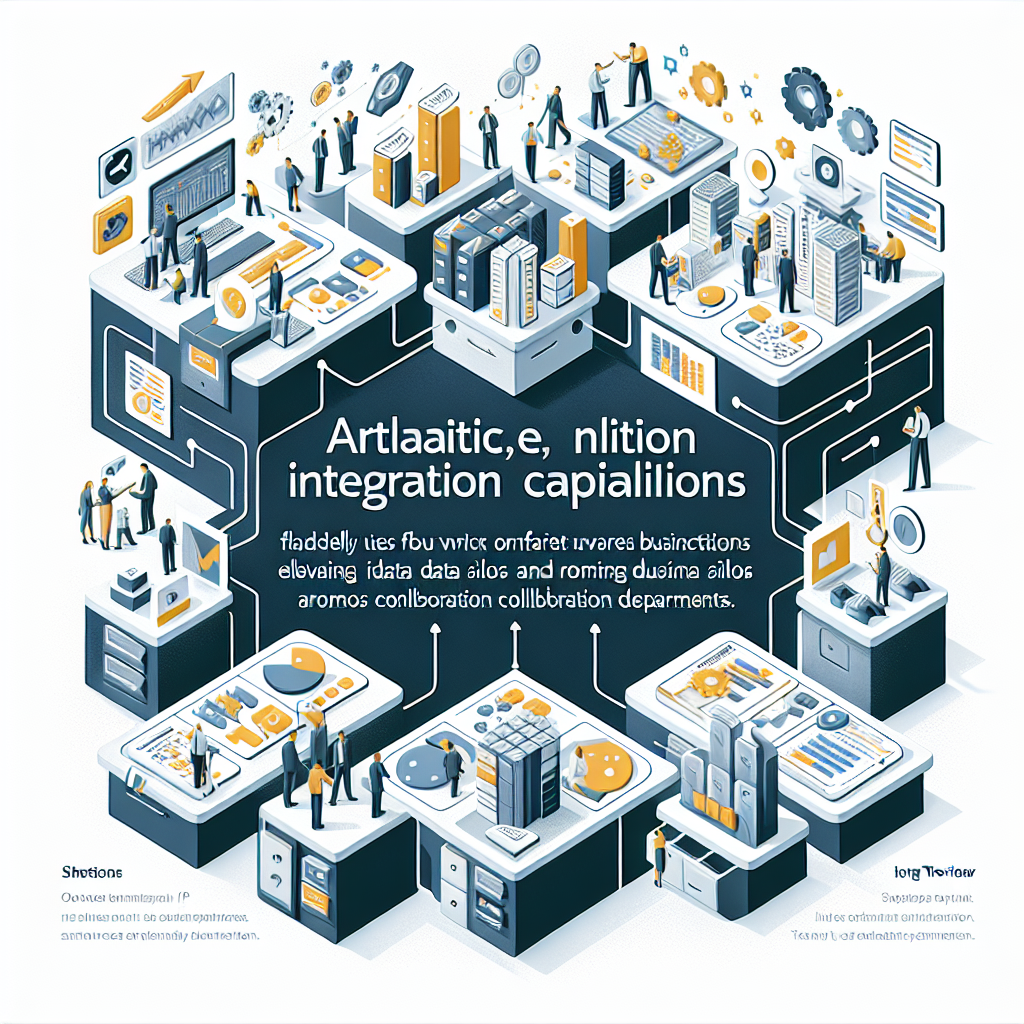
- Integration Capabilities: Odoo's ability to integrate seamlessly with various business functions reduces the likelihood of data silos and enhances collaboration between departments. This integration is crucial for operational efficiency [Source 6].
- Constant Updates and Improvements: As an open-source platform, Odoo benefits from continuous updates and enhancements driven by community feedback and contributions. This ensures that the software remains relevant and incorporates modern business practices [Source 9].
Disadvantages of Odoo
Despite its many strengths, Odoo is not without challenges:
- Complex Implementation for Larger Organizations: While Odoo's modularity offers flexibility, large-scale implementations can be complex and time-consuming, often requiring significant customization and IT resources [Source 3][Source 12].
- Learning Curve: Although Odoo is user-friendly, some users find the breadth of features overwhelming, which can lead to a steep learning curve for new users. Training and support may be necessary to fully leverage the platform's capabilities [Source 10].
- Limited Built-in Features in Community Edition: The Community Edition, while free, lacks some advanced features available in the Enterprise Edition, which may necessitate additional investment as businesses grow [Source 9].
Comparisons with Competitors
Odoo vs. Pretture
When comparing Odoo with Pretture, the latter currently holds a higher user rating of 5.0 compared to Odoo's 4.5 [Source 1]. However, detailed pricing information for Pretture remains unspecified, making it difficult to conduct a comprehensive cost-benefit analysis. Odoo offers a transparent pricing structure, which may appeal to businesses seeking budgetary clarity.
Odoo vs. HubSpot
HubSpot is another strong contender in the CRM and ERP space, particularly for businesses focused on marketing and sales. Unlike Odoo, which provides a full ERP suite, HubSpot excels in customer relationship management and marketing automation. The choice between these two platforms depends largely on a company's specific needs—Odoo is ideal for those seeking an all-in-one solution while HubSpot may be better suited for marketing-centric organizations [Source 2].
Odoo vs. Other Alternatives
Various alternatives to Odoo, such as Oracle NetSuite, SAP Business One, and Microsoft Dynamics 365, are also gaining traction. These solutions often provide robust financial control and regulatory compliance features, which some businesses may find lacking in Odoo [Source 3][Source 4]. However, they typically come with higher costs and more complex implementation processes.
Conclusion
Odoo ERP presents a compelling option for businesses looking to streamline their operations through a modular, integrated approach. With features tailored for customization and a supportive community, Odoo can significantly enhance productivity and operational efficiency. However, potential users must weigh the advantages against challenges such as implementation complexity and learning curves, especially in comparison to alternatives like Pretture and HubSpot.
As businesses continue to navigate the complexities of digital transformation, choosing the right ERP solution becomes crucial. Odoo’s flexibility and comprehensive feature set make it a notable contender, but organizations must critically assess their unique needs and resources before making a decision. The ongoing evolution of ERP solutions means that businesses must remain informed and adaptable, ensuring they select a platform that not only meets their current requirements but also supports future growth.