Odoo vs. SAP: Navigating the ERP Landscape for Modern Businesses
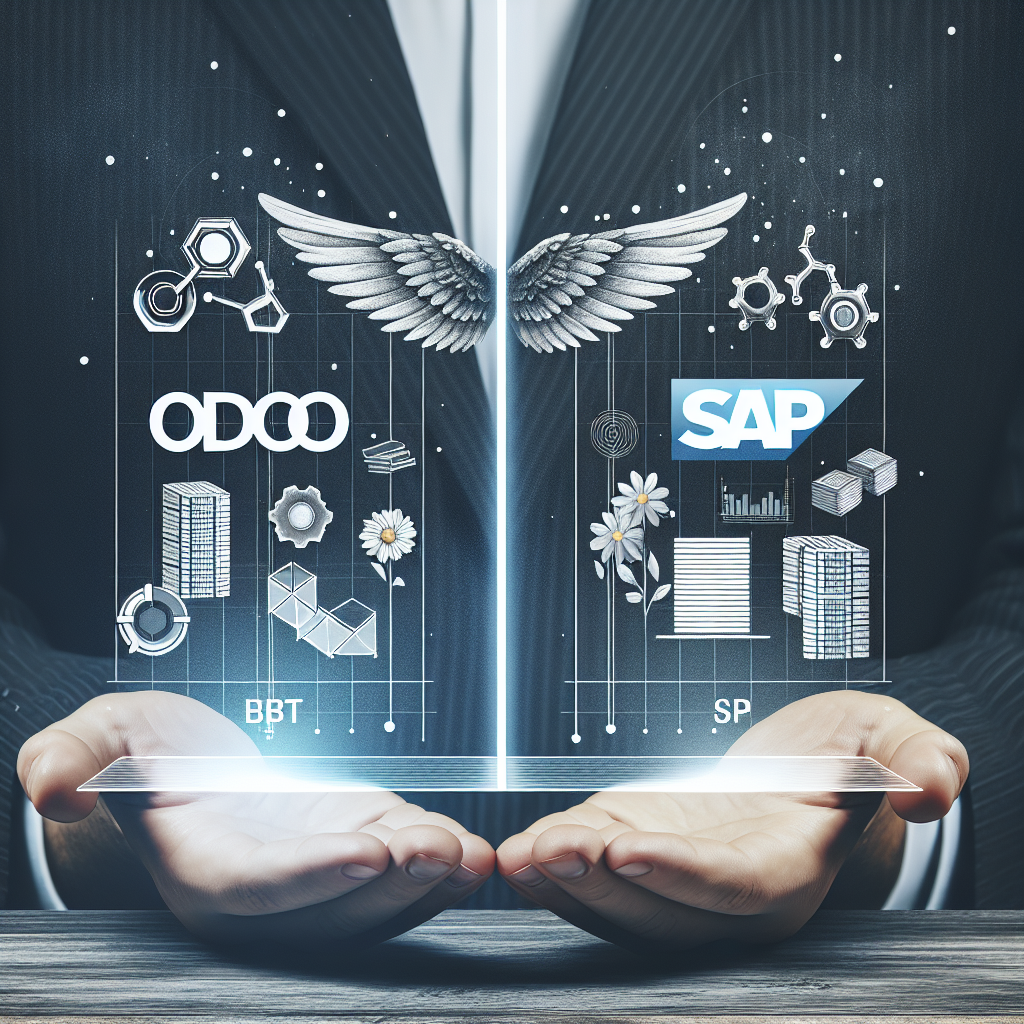
In today’s competitive business environment, choosing the right Enterprise Resource Planning (ERP) system is crucial for organizations seeking to streamline their operations, enhance productivity, and drive growth. Among the leading contenders in the ERP market are Odoo and SAP, each offering distinct advantages and capabilities tailored to different business needs. This article delves into a comprehensive comparison of Odoo and SAP, exploring their functionalities, pricing models, target audiences, and the implications of adopting either system.
Understanding ERP Systems
Enterprise Resource Planning (ERP) systems serve as integrated software solutions that help organizations manage their core business processes in real-time. These systems consolidate various functions, including finance, human resources, manufacturing, supply chain management, and customer relationship management (CRM), into a unified platform, thereby improving data accuracy and operational efficiency. As businesses continue to evolve, the demand for robust ERP solutions has surged, with the global ERP software market expected to grow from $167.33 billion in 2022 to $187.88 billion in 2023, reflecting a compound annual growth rate (CAGR) of 12.3% [Source 4].
Odoo: The Flexible and Affordable ERP Solution
Odoo is an open-source ERP system renowned for its flexibility and affordability, making it particularly appealing to small and medium-sized enterprises (SMEs). Its modular approach allows businesses to implement only the functionalities they require, enabling them to scale as they grow. Odoo offers a wide range of applications, including CRM, sales, inventory management, accounting, and project management, all designed to work seamlessly together [Source 9].
One of Odoo's defining features is its user-friendly interface, which simplifies the onboarding process for new users. Additionally, its extensive customization options empower businesses to tailor the software to their specific needs, enhancing user experience and operational effectiveness [Source 1]. Odoo’s pricing model is also advantageous, with costs typically ranging from $6 per user per month, depending on the modules selected, making it a cost-effective solution for businesses operating on tighter budgets [Source 5].
SAP: The Comprehensive Powerhouse
In contrast, SAP is recognized as a leader in the ERP space, particularly among large enterprises with complex operations. SAP's ERP solutions are characterized by their robustness, scalability, and extensive functionality, catering to various industries, including manufacturing, finance, and retail [Source 3]. Key features of SAP include advanced analytics, integrated business processes, and compliance management, which are essential for businesses operating in regulated markets.
While SAP offers unparalleled capabilities, it often requires a more significant investment in terms of both time and money. The implementation process can be lengthy and complex, necessitating substantial resources for training and customization [Source 1]. For organizations with the budget and the need for comprehensive solutions, SAP presents a powerful option that can drive significant operational improvements and efficiencies.
Comparing Target Audiences
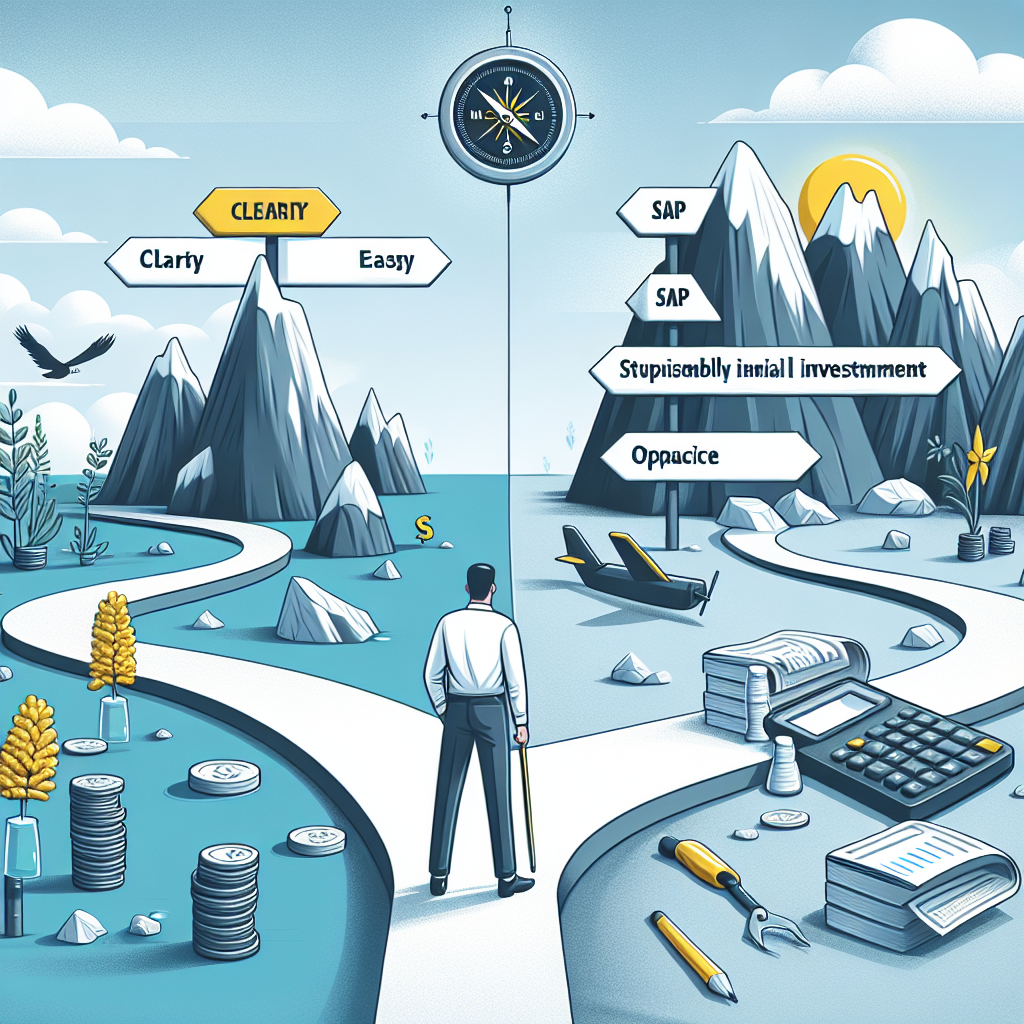
When selecting an ERP system, understanding the target audience is crucial. Odoo primarily caters to SMEs looking for a flexible, all-in-one solution that can grow with them. Its modular design allows businesses to start small and expand functionality as needed, making it an ideal choice for companies in the early stages of development [Source 9].
On the other hand, SAP targets larger enterprises that require a comprehensive ERP solution capable of managing complex processes across multiple departments and locations. Organizations in industries such as manufacturing or pharmaceuticals, where compliance and reporting are critical, often gravitate towards SAP for its robust capabilities [Source 3].
Pricing Models: A Key Differentiator
Pricing is a significant consideration when choosing an ERP system. Odoo’s pricing structure is designed to be accessible, allowing businesses to pay only for the functionalities they require. This flexibility is a major draw for smaller companies that may be wary of the financial commitment associated with traditional ERP systems such as SAP [Source 5].
In stark contrast, SAP’s pricing model tends to be more opaque, often requiring a substantial initial investment, along with ongoing maintenance costs. While SAP provides extensive features that justify the price for larger enterprises, smaller businesses may find it challenging to allocate the necessary resources [Source 1].
Integration and Customization Capabilities
Both Odoo and SAP offer integration capabilities, but they differ significantly in ease of use and customization. Odoo's open-source nature allows for extensive customization, enabling developers to modify the software to fit specific business needs. This adaptability is particularly beneficial for companies seeking unique solutions tailored to their operational requirements [Source 9].
Conversely, while SAP also offers customization options, the process can be more complex and resource-intensive. Organizations may require specialized consultants to navigate SAP’s extensive feature set and ensure that the system is tailored effectively to their business processes [Source 3].
User Experience and Support
User experience is a vital factor in ERP adoption. Odoo's intuitive design and ease of use often translate to shorter training periods for employees, leading to quicker adoption rates within organizations. The vibrant Odoo community also contributes to a wealth of resources and support, facilitating problem-solving and knowledge-sharing among users [Source 9].
In comparison, SAP's user interface has historically been viewed as less user-friendly, which can lead to longer training sessions and a steeper learning curve for new users. However, SAP does provide robust support and training resources, particularly for larger organizations that invest in comprehensive onboarding processes [Source 3].
The Role of Scalability and Future-Proofing
For businesses contemplating future growth, scalability is a critical factor in ERP selection. Odoo's modular design allows for easy scaling, enabling businesses to add functionalities as their needs evolve. This adaptability makes Odoo particularly appealing for startups and SMEs looking to grow without the burden of overcommitment [Source 9].
In contrast, SAP's extensive capabilities make it a powerful choice for large enterprises that anticipate significant growth or require advanced functionalities from the outset. However, organizations must ensure that they have the necessary infrastructure and resources to support the implementation and ongoing management of such a comprehensive system [Source 3].
Conclusion: Making an Informed Choice
The decision between Odoo and SAP ultimately hinges on an organization's specific needs, size, and budget. For SMEs seeking an affordable, flexible solution that can grow with them, Odoo presents a compelling option. Its user-friendly interface, modular design, and cost-effective pricing make it an attractive choice for businesses looking to enhance their operations without breaking the bank.
Conversely, for larger enterprises with complex requirements and the resources to support comprehensive ERP solutions, SAP remains a powerful contender. Its robust features and scalability can drive significant efficiencies and improvements in business processes, provided that organizations are prepared to invest the necessary time and capital.
In conclusion, businesses must carefully evaluate their unique needs, growth potential, and available resources when selecting an ERP system. By doing so, they can ensure that they choose the right solution to streamline their operations and achieve long-term success in an increasingly competitive landscape.